Meta Descriptions vs Meta Keywords and What Each Tag Does
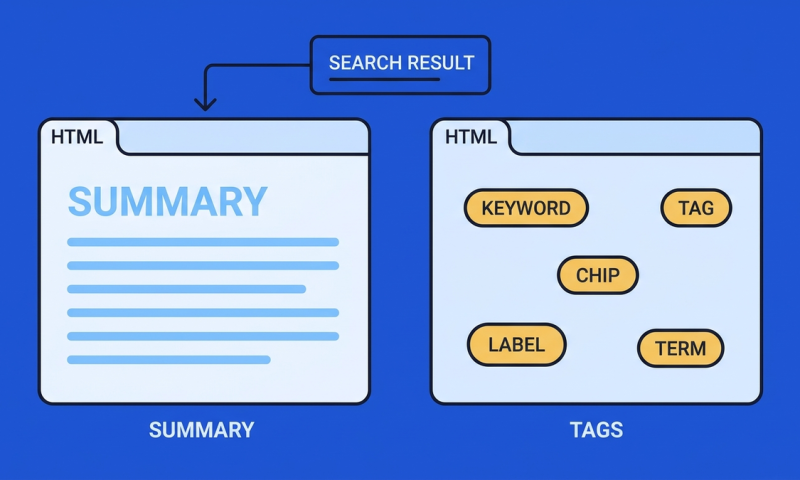
A meta description is a short page summary that Google may use in a search-result snippet. A meta keywords tag is an HTML…
Read the articleLittle ideas for better words, simpler tasks, and a more thoughtful everyday.
A meta description is a short page summary that Google may use in a search-result snippet. A meta keywords tag is an HTML…
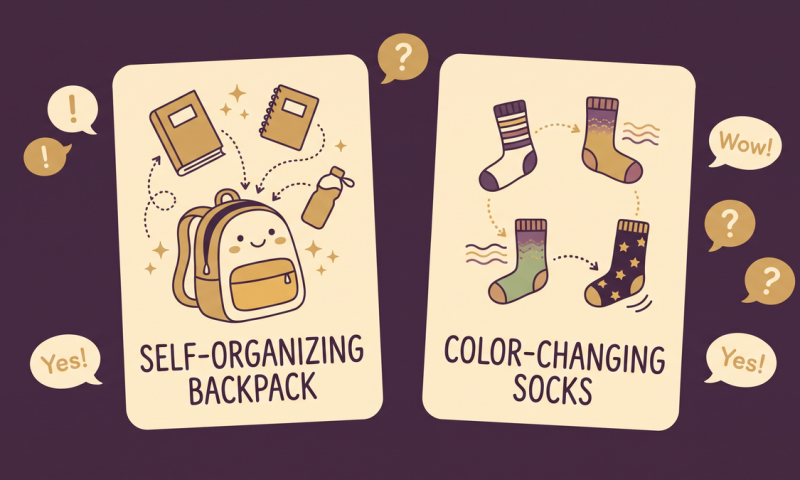
Read the articleWould you rather have a backpack that sorts your books or shoes that always find their matching pair? There is no correct answer,…
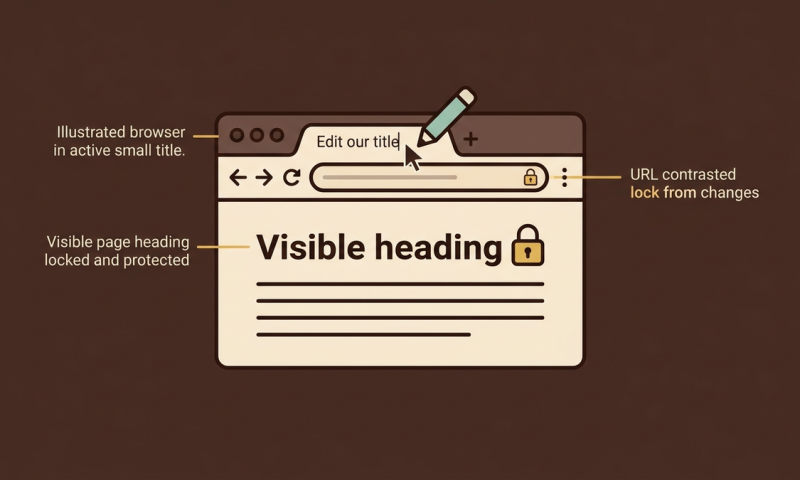
Read the articleTo change a page title tag in WordPress without changing the heading, edit the page's SEO title field, not the main title at…
Read the articleA Shopify meta description is a short summary you set for a product, collection, page, blog post, or homepage. Edit it in the…
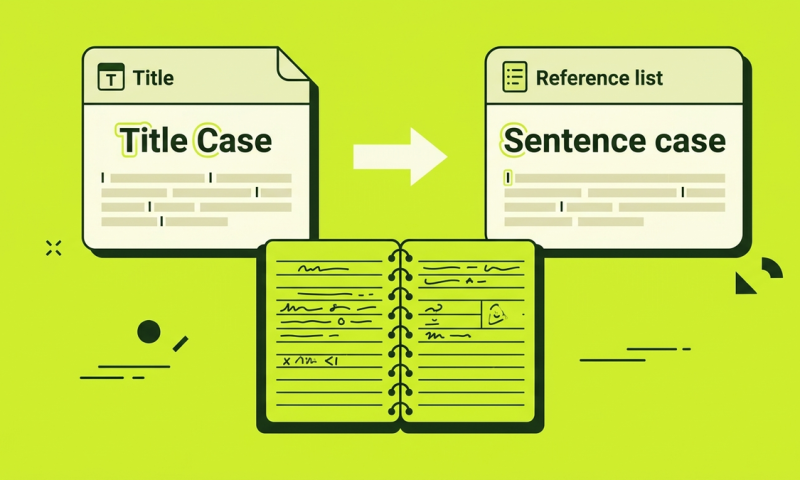
Read the articleAPA title capitalization depends on where the title appears. Your paper title and section headings use title case. Titles of articles, books, reports,…
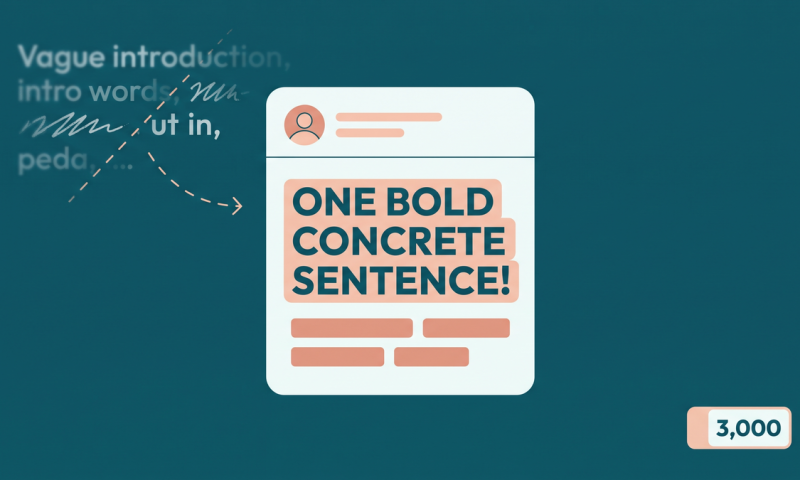
Read the articleA LinkedIn post can be comfortably below the character limit and still feel too long. The first paragraph may repeat the headline. The…
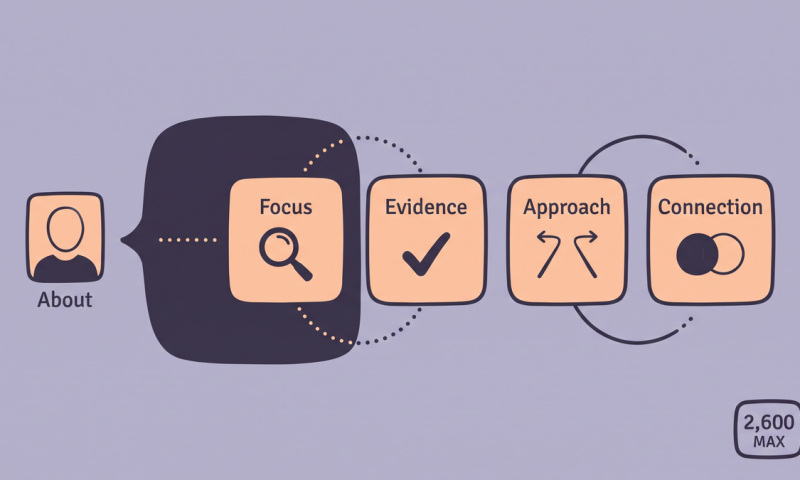
Read the articleImagine meeting a potential colleague who asks, "What kind of work do you do?" You probably would not recite every job you have…
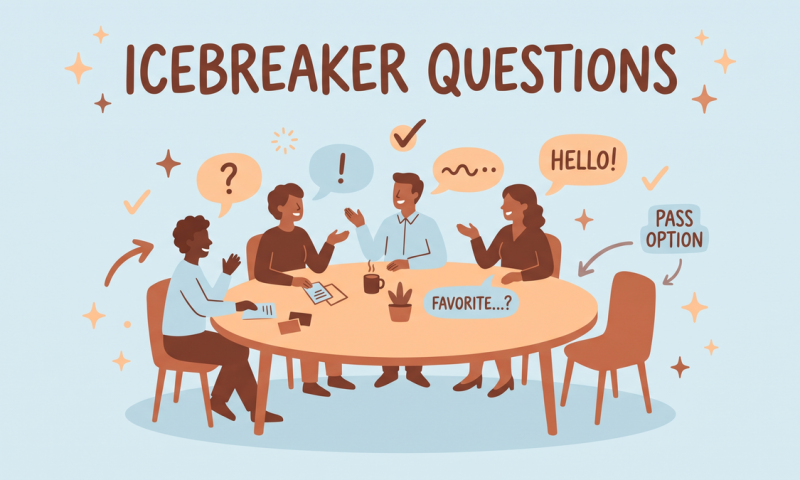
Read the articleAn icebreaker should make it easier to enter a meeting, not give everyone a second task to worry about. A useful question is…
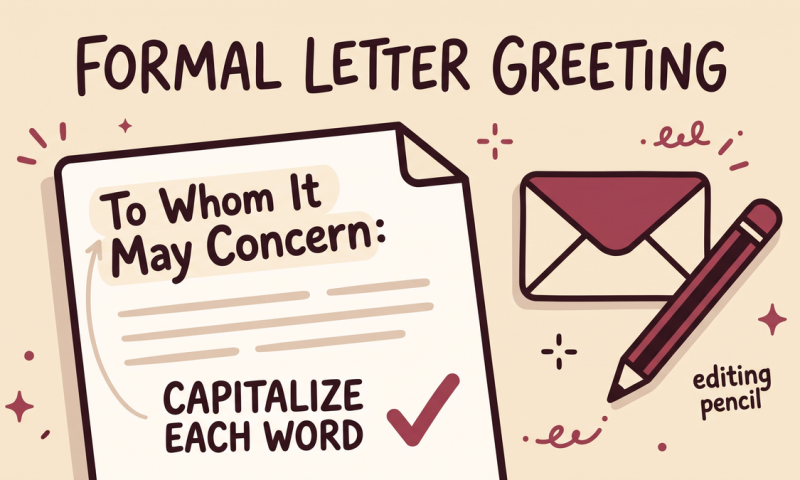
Read the articleFor a conventional formal-letter salutation, write To Whom It May Concern: with the first letter of each word capitalized. In US business-letter style,…
Read the articleGoogle does not set a fixed meta description character limit. A description can be longer than the text that appears in a search…
Read the articleWords are separated by whitespace. Characters count Unicode code points, including spaces, not visual glyphs. Reading time assumes 200 words per minute. The tool does not upload your text.
For percentage change, the tool uses (new - original) / original x 100 and requires a positive original value. Results are rounded to six decimal places.
Uses your device clock and your browser's time-zone data. Keep both up to date. This does not request your location or contact a time server.
WPM uses five correctly matched characters per word. Accuracy compares the final text with the passage. Personal bests are saved only in this browser, separately for each test length. This is a practice tool, not a certified exam.
Illustrative preview only. Search engines can rewrite, truncate, or format titles and descriptions differently. Nothing is fetched from the URL.
Based on calendar dates in your device's local time zone. It is not a live event listing or an hours-and-minutes countdown.
Absolute difference between the dates, excluding the end date. Time-of-day and daylight-saving changes do not change this calendar-day calculation.
Uses international feet, inches, yards, and miles. Results are rounded to six decimal places.
Title Case capitalizes whitespace-separated words. Review proper names and editorial exceptions.
Supports HTTP and HTTPS URLs. Existing source, medium, and campaign tags are replaced by your entries, or removed when the corresponding field is blank. Other parameters are preserved.
Creates ASCII URL slugs. Non-Latin text may be removed; review the result before using it.
Words are separated by whitespace. Characters count Unicode code points, including spaces, not visual glyphs. Reading time assumes 200 words per minute. The tool does not upload your text.
Preserves the first occurrence of each line and its order. Matching is case-sensitive and does not remove meaningful spaces.
Commas separate numbers, so enter 1000 rather than 1,000. Decimals use a period. Results are rounded to six decimal places.